Pasadena CA (JPL) Jul 23, 2014
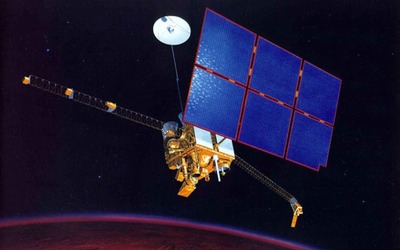
NASA's Orbiting Carbon Observatory-2, which launched on July 2, will
soon be providing about 100,000 high-quality measurements each day of
carbon dioxide concentrations from around the globe. Atmospheric
scientists are excited about that. But to understand the processes that
control the amount of the greenhouse gas in the atmosphere, they need to
know more than just where carbon dioxide is now. They need to know
where it has been. It takes more than great data to figure that out.
"In a sense, you're trying to go backward in time and space," said David Baker, a scientist at Colorado State University in Fort Collins. "You're reversing the flow of the winds to determine when and where the input of carbon at the Earth's surface had to be to give you the measurements you see now."
Harry Potter used a magical time turner to travel to the past. Atmospheric scientists use a type of computer model called a chemical transport model.
It combines the atmospheric processes found in a climate model with additional information on important chemical compounds, including their reactions, their sources on Earth's surface and the processes that remove them from the air, known as sinks.
Baker used the example of a forest fire to explain how a chemical transport model works. "Where the fire is, at that point in time, you get a pulse of carbon dioxide in the atmosphere from the burning carbon in wood. The model's winds blow it along, and mixing processes dilute it through the atmosphere. It gradually gets mixed into a wider and wider plume that eventually gets blown around the world."
 Scientists will use measurements from the Orbiting Carbon Observatory-2 to track atmospheric carbon dioxide to sources such as these wildfires in Siberia, whose smoke plumes quickly carry the greenhouse gas worldwide. The fires were imaged on May 18 by NASA's Moderate Resolution Imaging Spectrometer instrument on the Terra satellite. Image courtesy NASA/LANCE/EOSDIS Rapid Response. For a larger version of this image please go here. |
"In a sense, you're trying to go backward in time and space," said David Baker, a scientist at Colorado State University in Fort Collins. "You're reversing the flow of the winds to determine when and where the input of carbon at the Earth's surface had to be to give you the measurements you see now."
Harry Potter used a magical time turner to travel to the past. Atmospheric scientists use a type of computer model called a chemical transport model.
It combines the atmospheric processes found in a climate model with additional information on important chemical compounds, including their reactions, their sources on Earth's surface and the processes that remove them from the air, known as sinks.
Baker used the example of a forest fire to explain how a chemical transport model works. "Where the fire is, at that point in time, you get a pulse of carbon dioxide in the atmosphere from the burning carbon in wood. The model's winds blow it along, and mixing processes dilute it through the atmosphere. It gradually gets mixed into a wider and wider plume that eventually gets blown around the world."



 Posts


